The Power of Emotional Intelligence Journal Prompts: A Path to Self-Awareness and Growth
Emotional intelligence is more than just a buzzword; it's a vital skill that can transform the way we navigate life. At its core, emotional intelligence involves understanding and managing our own emotions, as well as recognizing and responding to the emotions of others. One effective tool for developing this crucial skill is the use of emotional intelligence journal prompts. These prompts are designed to encourage deeper reflection on thoughts, feelings, and behaviors, ultimately fostering self-awareness, emotional regulation, and empathy.
Whether you're new to the concept of emotional intelligence or looking to deepen your existing practice, these journal prompts offer a structured approach to personal growth. They help individuals explore their inner world, identify emotional patterns, and develop strategies for navigating complex situations with greater ease and insight.
What Are Emotional Intelligence Journal Prompts?
Emotional intelligence journal prompts are thoughtfully crafted questions or statements that guide individuals in reflecting on their emotional experiences. They serve as a starting point for introspection, helping users explore their thoughts, feelings, and behaviors in a meaningful way. By regularly engaging with these prompts, individuals can gain a better understanding of themselves and how they interact with the world around them.
These prompts cover a wide range of topics, from self-awareness and motivation to empathy and social skills. Each prompt is designed to provoke thoughtful consideration and encourage a deeper connection with one's emotional landscape. For example, a prompt might ask, "What triggered my recent frustration, and how did I respond?" This type of question encourages reflection on emotional triggers and the ways in which we manage them.
The Benefits of Using Emotional Intelligence Journal Prompts
Regular use of emotional intelligence journal prompts offers numerous benefits, both personally and professionally. One of the most significant advantages is the improvement of self-awareness. By consistently reflecting on their emotions, individuals become more attuned to their internal states, allowing them to recognize patterns and make more informed decisions.
Another key benefit is emotional regulation. When people understand their emotional responses, they are better equipped to manage them effectively. This can lead to reduced stress, improved mental health, and a greater sense of control over one's emotional state. For instance, a prompt like "How did I handle a recent conflict, and what could I do differently next time?" helps individuals evaluate their responses and consider alternative approaches.
Moreover, these prompts foster empathy, which is essential for building and maintaining healthy relationships. By reflecting on how others might feel in different situations, individuals can develop a more compassionate and understanding perspective. This not only enhances personal connections but also improves communication and collaboration in professional settings.
How Emotional Intelligence Journal Prompts Fit into Modern Life
In today's fast-paced world, where stress and emotional challenges are commonplace, the importance of emotional intelligence cannot be overstated. Whether in the workplace, at home, or in social interactions, the ability to manage emotions and connect with others is critical. Emotional intelligence journal prompts provide a practical tool for integrating these skills into daily life.
For example, in the workplace, employees who practice emotional intelligence are often more resilient, adaptable, and collaborative. They can navigate conflicts more effectively and contribute to a positive work environment. Similarly, in education, students who engage with emotional intelligence journal prompts may develop better coping mechanisms, improve their focus, and build stronger relationships with peers and teachers.
In creative fields, emotional intelligence can enhance expression and innovation. Artists, writers, and musicians often draw from their emotional experiences to create meaningful work. By using journal prompts to explore their emotions, they can tap into deeper sources of inspiration and authenticity.
Practical Examples of Emotional Intelligence Journal Prompts
To illustrate the variety and effectiveness of emotional intelligence journal prompts, let's explore a few examples:
- Self-Awareness: "What emotions did I experience today, and what events triggered them?"
- Empathy: "How might someone else feel in a situation I recently faced?"
- Stress Management: "What techniques did I use to cope with stress, and how effective were they?"
- Gratitude: "What am I grateful for today, and why does it matter to me?"
- Conflict Resolution: "What was the source of the last disagreement, and how could it have been resolved more constructively?"
These prompts are not only reflective but also actionable. They encourage individuals to think critically about their experiences and consider how they can grow from them. Over time, this practice can lead to lasting changes in behavior and mindset.
Common Misconceptions About Emotional Intelligence
Despite its many benefits, emotional intelligence is often misunderstood. One common misconception is that it is simply about being "nice" or avoiding conflict. In reality, emotional intelligence involves a deep understanding of emotions and the ability to manage them effectively, even in challenging situations.
Another misunderstanding is that emotional intelligence is an innate trait that cannot be developed. However, research shows that emotional intelligence can be learned and strengthened through practice, including the use of journal prompts. By engaging with these prompts regularly, individuals can cultivate greater emotional awareness and resilience.
It's also important to note that emotional intelligence is not solely about personal development. It plays a crucial role in leadership, parenting, and teamwork. Leaders who demonstrate emotional intelligence are better able to inspire and motivate their teams, while parents who model emotional intelligence can help their children develop healthy emotional habits.
How to Get Started with Emotional Intelligence Journal Prompts
If you're interested in incorporating emotional intelligence journal prompts into your routine, there are several ways to get started. First, choose a format that works for you—whether it's a physical journal, a digital app, or a combination of both. Consistency is key, so set aside time each day or week to reflect on your experiences.
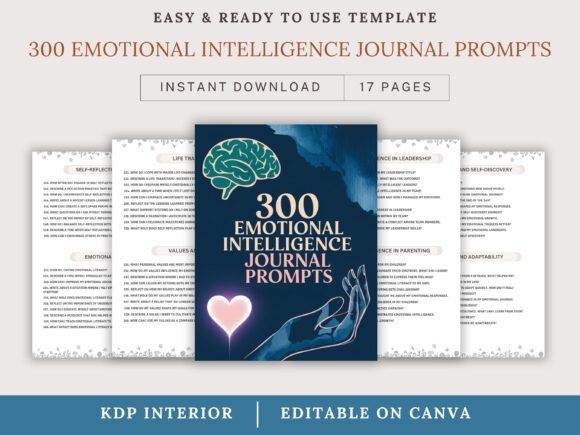
Additionally, consider using a dedicated emotional intelligence journal that includes a variety of prompts tailored to different aspects of emotional intelligence. These journals often come in formats such as editable Canva files, PDFs, and printable versions, making them accessible and customizable for different needs.
When selecting prompts, look for those that align with your goals and interests. For example, if you're focusing on personal growth, choose prompts that encourage introspection and self-discovery. If you're working on communication skills, opt for prompts that explore how you express and interpret emotions.
Conclusion
Emotional intelligence journal prompts are a powerful tool for anyone seeking to improve their emotional awareness, regulate their emotions, and build stronger relationships. By engaging with these prompts regularly, individuals can gain valuable insights into their emotional patterns and develop strategies for navigating life's challenges with greater ease and confidence.
In a world that often prioritizes productivity over well-being, taking the time to reflect on our emotions is more important than ever. Whether you're looking to enhance your personal life, career, or creative pursuits, emotional intelligence journal prompts offer a practical and effective path to growth and fulfillment. Start today, and discover the transformative power of emotional intelligence.